Which Compound to Use to Manufacture a Fax or Printer Housing
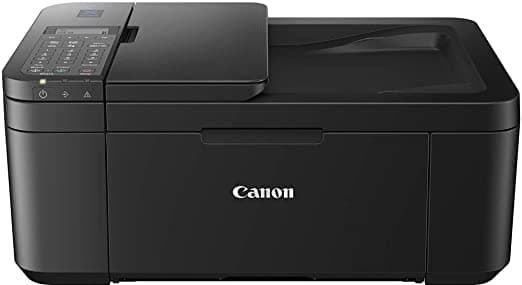
What Is It?
NEXXALAC™ Flame Retardant Compound is an ABS grade formulated to meet UL 94 V0 flammability requirements while retaining ABS's mechanical and thermal properties.
How It's Manufactured
A flame retardant package is compounded into ABS resin on a twin-screw line, formulated to be anti-dripping under flame exposure — meaning any material that does melt away from an ignition source does not carry the flame onward as falling drips.
Manufacturing Process for This Application
Fax machine, printer, and copier housings are injection molded from the FR ABS compound, typically in black to hide the internal mechanism and mask any minor surface variation from the FR additive package.
Why Polymer Choice Matters Here
These housings enclose motors, heating elements (in the case of thermal fax mechanisms), and dense electronics in an office environment — an ignition source inside the housing meeting a non-FR-rated shell is a real fire-safety scenario, which is why flame retardancy, not just impact strength or gloss, is the deciding property here.
Why This Compound Is Suited
The combination of anti-dripping UL 94 V0 flammability performance with ABS's established mechanical and thermal properties is why this grade is specified for "Printers, Fax machines, Computer/ Copying Machines parts" — precisely this application category.
Nexxa Compounds is a leading manufacturer of ABS compounds for fax machine housing applications in India, supplying some of the largest manufacturers across India and internationally.
Related Posts
Which Compound to Use to Manufacture a Mixer Body
Why unfilled ABS is the standard material for kitchen appliance bodies like mixer housings.
Which Compound to Use to Manufacture a Cooler Fan Blade
Why glass-filled ABS is used for fan blades and impellers that need extra rigidity and low warp.
Which Compound to Use to Manufacture an Automotive Interior Trim Panel
Why UV-stabilized ABS is used for interior and exterior trim exposed to prolonged sunlight.