Material Guides
Which Compound to Use to Manufacture It
83application-specific guides covering what each compound is, how it's manufactured, why the polymer is suited, and which alternates to consider — across all 8 polymer lines Nexxa manufactures.
Which Compound to Use to Manufacture a Vehicle Fuel Cap
Why glass-filled PA6 is the standard compound for automotive fuel caps, how it is manufactured, and which grades to consider as alternatives.
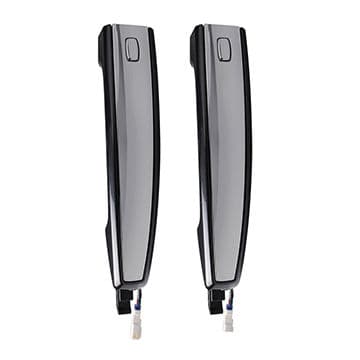
Which Compound to Use to Manufacture a Car Door Handle
Why unfilled PA6 is specified for exterior door handles, and when to step up to a reinforced grade instead.
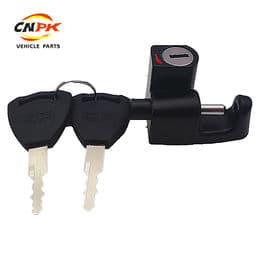
Which Compound to Use to Manufacture a Plastic Helmet Lock
Why an impact-modified super tough PA6 grade is used for helmet locks and other repeated-hammering parts.
Which Compound to Use to Manufacture a Lamp Housing
Why mineral-reinforced PA6 is a cost-effective choice for lamp and wheel-cover housings that need a good surface finish.
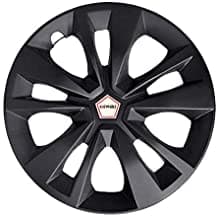
Which Compound to Use to Manufacture a Car Wheel Cover
Why a mineral plus glass fiber reinforced PA6 grade is used for wheel covers where warpage control matters as much as strength.
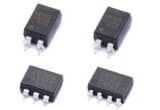
Which Compound to Use to Manufacture a Relay Base
Why flame retardant unfilled PA6 is the standard choice for relay bases and other current-carrying electrical parts.
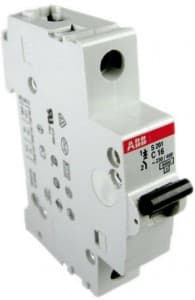
Which Compound to Use to Manufacture an MCB Housing
Why a flame retardant, mineral and glass reinforced PA6 grade is used for miniature circuit breaker housings.
Which Compound to Use to Manufacture a Printed Circuit Board Frame
Why flame retardant glass-filled PA6 is used for PCB frames and carbon brush holders that need both rigidity and fire safety.
Which Compound to Use to Manufacture a Self-Lubricating Gear
Why a PTFE/MoS2-filled PA6 compound is used for gears and actuators that cannot be greased in service.
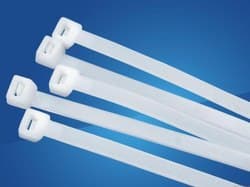
Which Compound to Use to Manufacture a Cable Tie
Why unfilled PA66 is the standard material for cable ties, and how it differs from PA6 for this application.
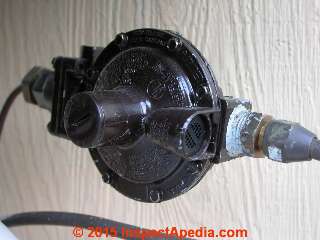
Which Compound to Use to Manufacture an LPG Regulator Body
Why an impact-modified PA66 super tough grade is specified for LPG regulator bodies and caps.
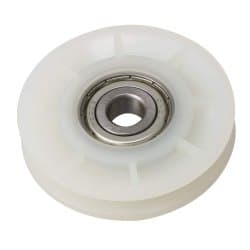
Which Compound to Use to Manufacture a Pulley
Why glass-filled PA66 is used for pulleys and other high-temperature, high-dimensional-stability machine parts.
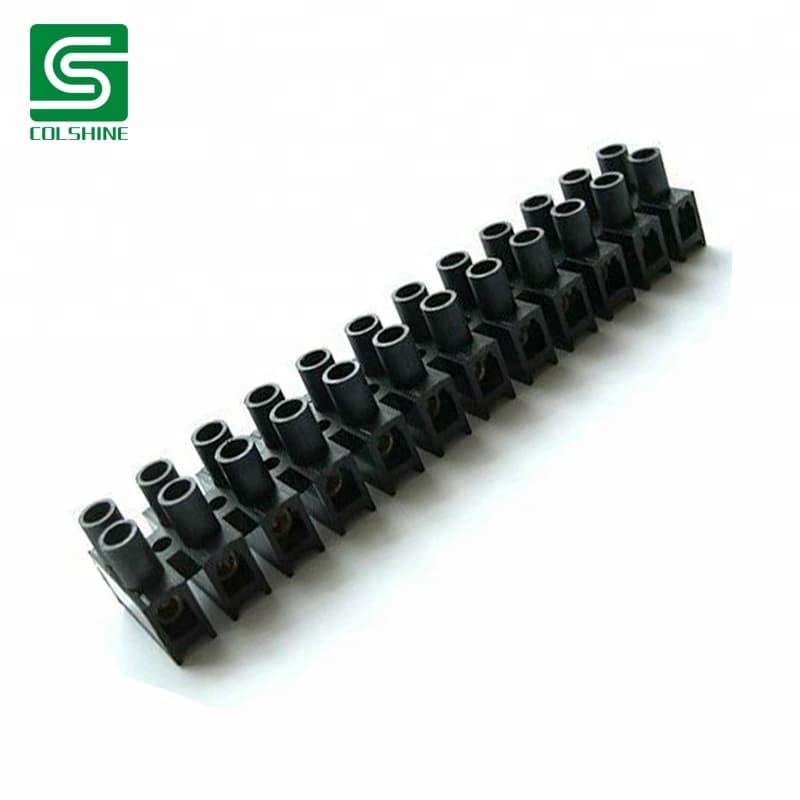
Which Compound to Use to Manufacture a Terminal Strip
Why flame retardant unfilled PA66 is used for terminal strips and other current-carrying connector parts.
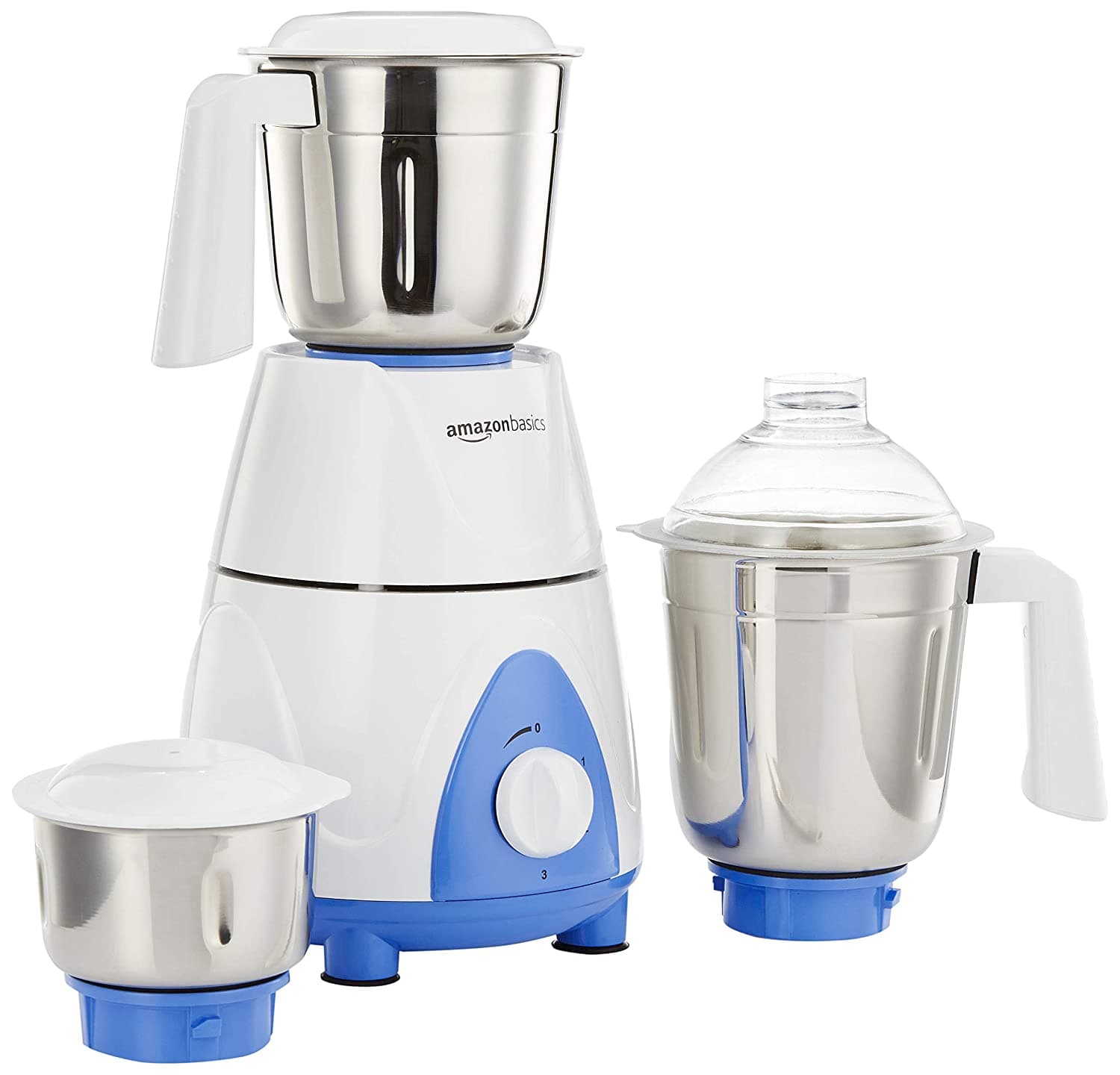
Which Compound to Use to Manufacture a Mixer Body
Why unfilled ABS is the standard material for kitchen appliance bodies like mixer housings.
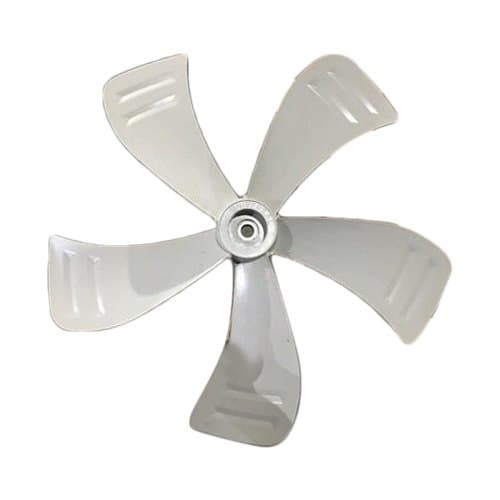
Which Compound to Use to Manufacture a Cooler Fan Blade
Why glass-filled ABS is used for fan blades and impellers that need extra rigidity and low warp.
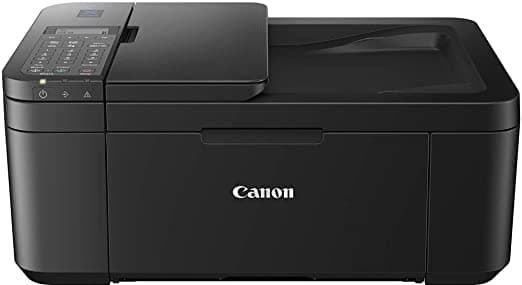
Which Compound to Use to Manufacture a Fax or Printer Housing
Why flame retardant ABS is used for office equipment housings that enclose internal electronics and heating elements.

Which Compound to Use to Manufacture an Automotive Interior Trim Panel
Why UV-stabilized ABS is used for interior and exterior trim exposed to prolonged sunlight.

Which Compound to Use to Manufacture an Electroplated Automotive Logo
Why a specific electroplating-grade ABS is required for chrome-look automotive badges and trim.
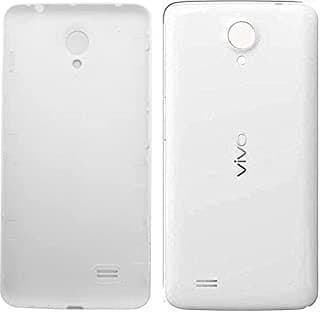
Which Compound to Use to Manufacture a Mobile Phone Back Cover
Why unfilled polycarbonate is used for mobile phone covers and LED housings that need a premium finish.

Which Compound to Use to Manufacture a Printer Housing
Why glass-filled polycarbonate is used for printer and electronic equipment housings that need extra stiffness.
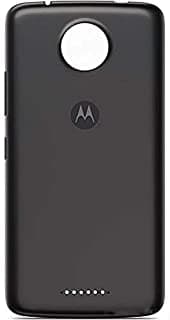
Which Compound to Use to Manufacture a PC/ABS Mobile Housing
Why PC/ABS blends are chosen over pure ABS or pure PC for mobile phone and telecom equipment housings.
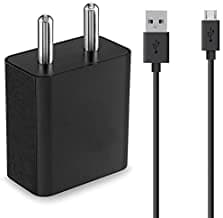
Which Compound to Use to Manufacture a Mobile Charger Casing
Why flame retardant PC/ABS is required for mobile charger housings that enclose live mains-voltage circuitry.
Which Compound to Use to Manufacture an Electrical Connector
Why unfilled PBT is a standard choice for electrical connectors and valve components needing tight tolerances.
Which Compound to Use to Manufacture an Industrial Pump Body
Why an impact-modified super tough PBT grade is used for pump bodies and water tap components.
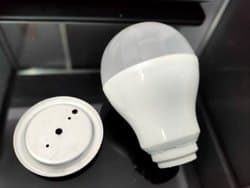
Which Compound to Use to Manufacture an LED Bulb Housing
Why glass-filled PBT is used for LED and CFL housings that need heat resistance and dimensional stability near a light source.
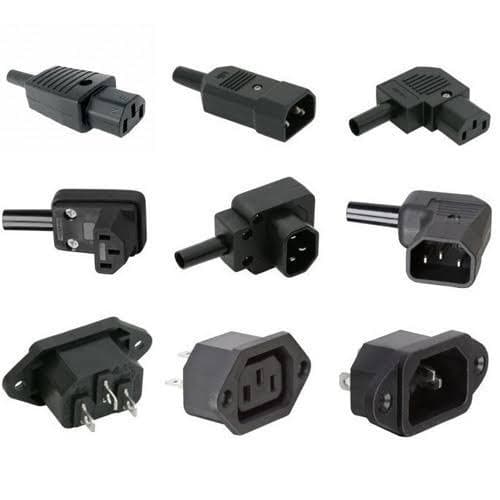
Which Compound to Use to Manufacture a Power Connector
Why flame retardant glass-filled PBT is specified for power connectors, plugs, and terminal blocks.
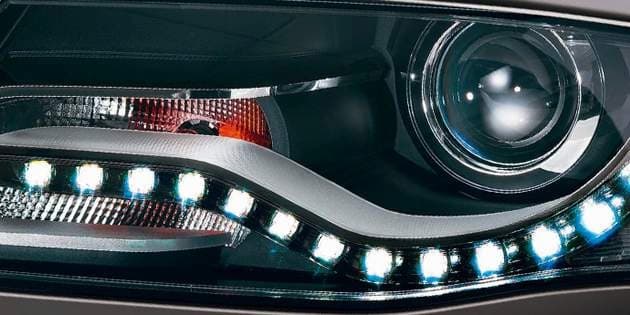
Which Compound to Use to Manufacture a Car Headlight Bezel
Why mineral-filled PBT/PET is used for headlight bezels and mirror covers needing thermal and dimensional stability.
Which Compound to Use to Manufacture a Rear-View Camera Housing
Why glass-filled PBT/PET is used for rear-view camera and mirror housings needing excellent thermal stability.
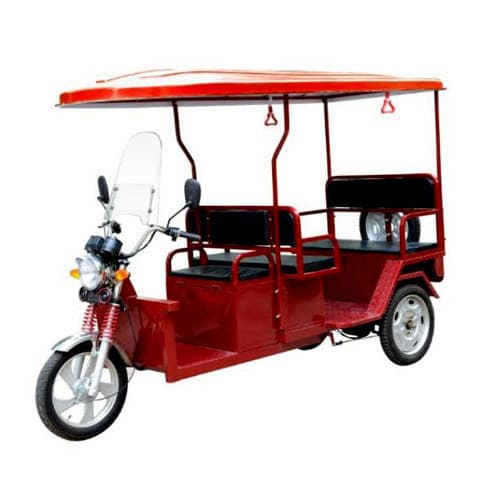
Which Compound to Use to Manufacture a Battery Rickshaw Roof
Why unfilled polypropylene co-polymer is used for large outdoor panels like rickshaw roofs and appliance housings.
Which Compound to Use to Manufacture a Cooling Fan Blade
Why glass-filled polypropylene is a lower-cost alternative to glass-filled ABS for cooling fan blades.
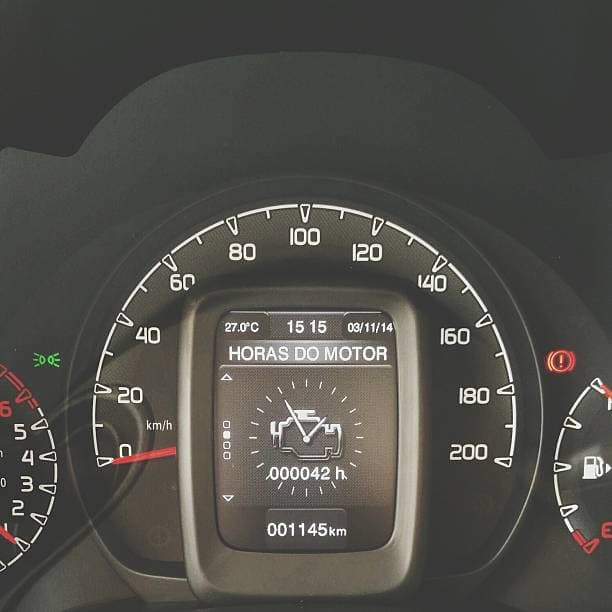
Which Compound to Use to Manufacture a Bike Speedometer Housing
Why mineral-filled polypropylene is used for speedometer housings and mud guards needing a good surface finish at low cost.
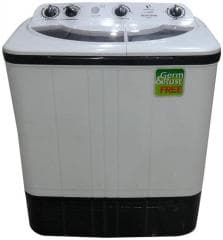
Which Compound to Use to Manufacture a Washing Machine Housing
Why flame retardant polypropylene is used for washing machine housings and battery cases in electrical appliances.
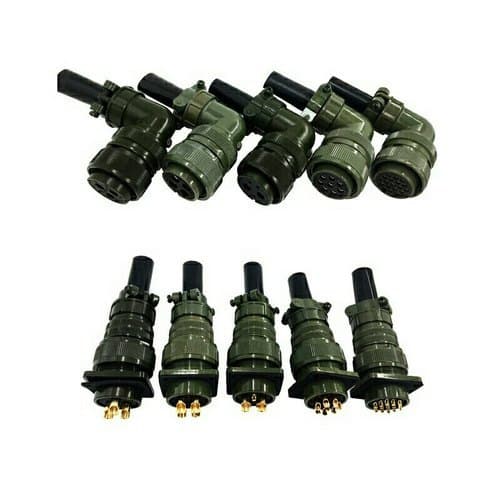
Which Compound to Use to Manufacture an Automotive Power Connector
Why flame retardant unfilled PBT is chosen over a reinforced grade for automotive power connectors.
Which Compound to Use to Manufacture a TV Remote Control Housing
Why unfilled ABS is used for handheld remote control housings.
Which Compound to Use to Manufacture an Electric Iron Housing
Why unfilled PP co-polymer is used for electric iron bodies and other household appliance housings.
Which Compound to Use to Manufacture a Kitchen Storage Container
Why unfilled PP is the standard material for food storage containers, jars, and bottles.
Which Compound to Use to Manufacture a Refrigerator Interior Panel
Why unfilled ABS is used for refrigerator interior liners and shelving components.
Which Compound to Use to Manufacture a Computer Keyboard Housing
Why unfilled ABS is standard for keyboard housings and computer casings.
Which Compound to Use to Manufacture a Fan Regulator Knob
Why unfilled PA6 is used for control knobs on household electrical fixtures.
Which Compound to Use to Manufacture an Electrical Switch Plate
Why flame retardant PA66 is used for wall switch plates and knobs.
Which Compound to Use to Manufacture a Water Tap Handle
Why an impact-modified PBT grade is used for water tap knobs and housings.
Which Compound to Use to Manufacture a Furniture Component
Why unfilled PA6 is used for furniture fittings, leg caps, and connective hardware.
Which Compound to Use to Manufacture a Rope or Cordage Component
Why unfilled PA6 is used for rope and cordage applications needing flexibility and abrasion resistance.
Which Compound to Use to Manufacture a Two-Wheeler Mirror Housing
Why unfilled PA6 is used for motorcycle and scooter mirror housings.
Which Compound to Use to Manufacture a Motor Insulation Part
Why unfilled PA6 is used for small motor insulation and winding-support components.
Which Compound to Use to Manufacture an Electrical Fuse Box
Why unfilled PA6 is used for automotive and household fuse box housings.
Which Compound to Use to Manufacture an Office Chair Base
Why glass-filled PA6 is used for chair bases needing high load-bearing strength.
Which Compound to Use to Manufacture an Electronics Encapsulation Component
Why glass-filled PA6 is used for encapsulation and potting-adjacent structural components.
Which Compound to Use to Manufacture a Motorcycle Pillion Handle
Why glass-filled PA6 is used for motorcycle pillion (passenger grab) handles.
Which Compound to Use to Manufacture a Cam Component
Why glass-filled PA6 is used for cam and mechanical-motion components in appliances and machinery.
Which Compound to Use to Manufacture a Gear Housing
Why glass-filled PA6 is used for gear housings enclosing mechanical drive components.
Which Compound to Use to Manufacture a Brush Bristle Component
Why unfilled PA66 is used for brush and bristle applications needing flex and abrasion resistance.
Which Compound to Use to Manufacture a Mixer Impeller Part
Why unfilled PA66 is used for internal mixer/grinder impeller components.
Which Compound to Use to Manufacture a Water Plumbing Component
Why unfilled PA66 is used for plumbing fittings and water-handling components.
Which Compound to Use to Manufacture a Textile Machinery Gear
Why glass-filled PA66 is used for gears and running parts inside textile machinery.
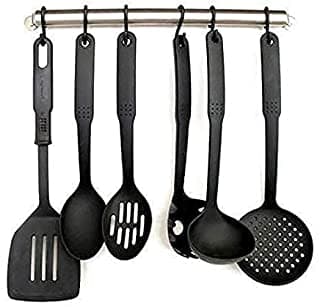
Which Compound to Use to Manufacture a Kitchen Ware Component
Why glass-filled PA66 is used for structural kitchen appliance components.
Which Compound to Use to Manufacture an Automotive Console
Why unfilled ABS is used for automotive center console and interior trim components.
Which Compound to Use to Manufacture a UPS Body
Why unfilled ABS is used for uninterruptible power supply (UPS) housings.
Which Compound to Use to Manufacture a Headphone Housing
Why unfilled ABS is used for earphone and headphone housings.
Which Compound to Use to Manufacture a Telephone Receiver
Why unfilled ABS is used for telephone handset and receiver housings.
Which Compound to Use to Manufacture an Air Conditioner Housing
Why unfilled ABS is used for air conditioner unit housings and panels.
Which Compound to Use to Manufacture a Textile Pulley
Why glass-filled ABS is used for textile machinery pulleys.
Which Compound to Use to Manufacture a Textile Bobbin
Why glass-filled ABS is used for textile machinery bobbins.
Which Compound to Use to Manufacture an Impeller
Why glass-filled ABS is used for pump and appliance impellers.
Which Compound to Use to Manufacture a Motor Casing
Why glass-filled ABS is used for small appliance motor casings.
Which Compound to Use to Manufacture a Utility Meter Housing
Why glass-filled ABS is used for electricity and utility meter housings.
Which Compound to Use to Manufacture a Speedometer Housing for Commercial Vehicles
Why glass-filled ABS is used for speedometer housings in heavier commercial and off-the-road vehicles.
Which Compound to Use to Manufacture a Copying Machine Part
Why flame retardant ABS is used for copier and office equipment internal parts.
Which Compound to Use to Manufacture a Home Inverter Housing
Why flame retardant ABS is used for home power inverter housings.
Which Compound to Use to Manufacture a Mobile Assembly Component
Why glass-filled polycarbonate is used for structural mobile phone assembly components.
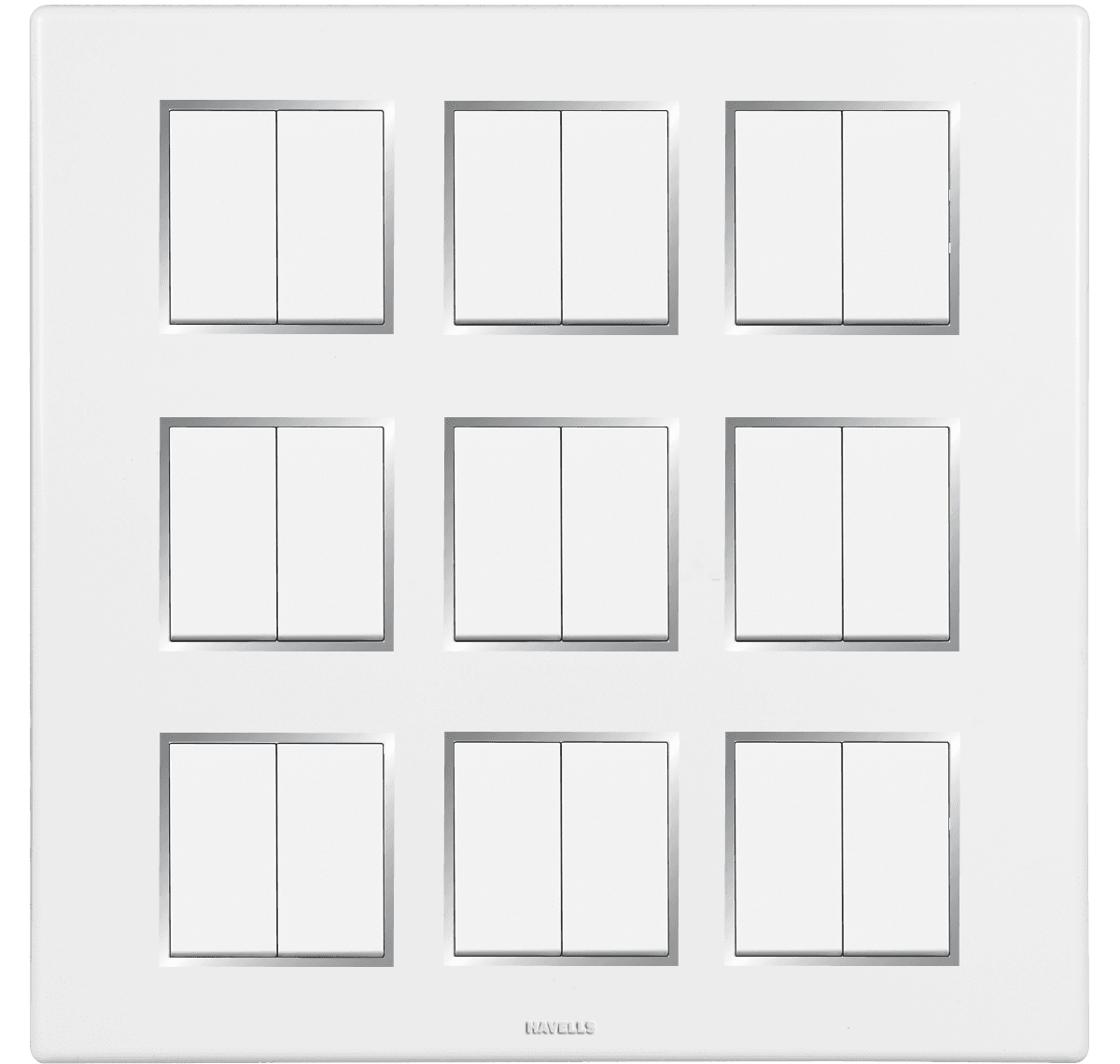
Which Compound to Use to Manufacture an Electrical Switch
Why unfilled polycarbonate is used for electrical switch bodies needing clarity and impact resistance.
Which Compound to Use to Manufacture a PC/ABS Automotive Interior Part
Why unfilled PC/ABS is used for automotive interior trim needing both impact strength and heat resistance.
Which Compound to Use to Manufacture a Telecommunication Equipment Part
Why unfilled PC/ABS is used for telecom equipment housings.
Which Compound to Use to Manufacture a Laptop Housing Part
Why flame retardant PC/ABS is used for laptop and computer housing components.
Which Compound to Use to Manufacture a Flame Retardant Electrical Switch
Why flame retardant PC/ABS is specified for electrical switches in higher-current applications than a standard PA66 switch part.
Which Compound to Use to Manufacture an Oil Filter Component
Why unfilled PBT is used for oil filter housing components needing chemical resistance.
Which Compound to Use to Manufacture a Bearing Gauge
Why unfilled PBT is used for bearing gauge components needing precise, reproducible dimensions.
Which Compound to Use to Manufacture a Sensor Housing
Why unfilled PBT is used for automotive and industrial sensor housings.
Which Compound to Use to Manufacture a Luggage Frame Component
Why an impact-modified super tough PA66 grade is used for luggage frame and handle components.
Which Compound to Use to Manufacture a Textile Machine Brake Shoe
Why an impact-modified super tough PA66 grade is used for brake shoe components in textile machinery.
Which Compound to Use to Manufacture a Textile Machine Instrument Shoe
Why an impact-modified super tough PA6 grade is used for instrument shoes and brake shoes in textile machinery.
Which Compound to Use to Manufacture an Automotive Bumper Component
Why unfilled PP co-polymer is used for automotive bumper components needing impact absorption.
Which Compound to Use to Manufacture an Under-Bonnet Bracket
Why glass-filled PA6 is used for structural brackets mounted under the bonnet, close to engine heat.