Which Compound to Use to Manufacture an Automotive Power Connector
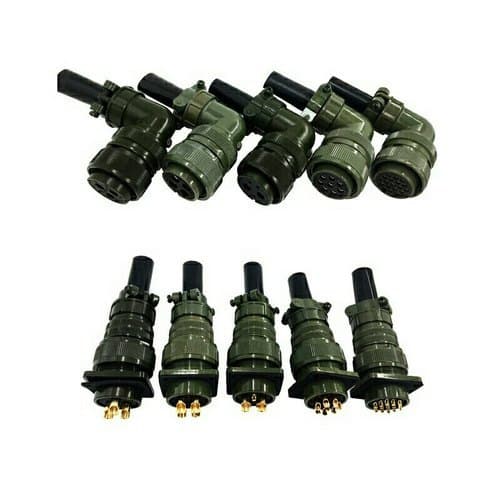
What Is It?
NEXXALITE™ Flame Retardant Unfilled PBT Compound applies an anti-dripping flame retardant system to PBT without glass reinforcement, where the application needs FR performance but not the added stiffness of a filled grade.
How It's Manufactured
The FR additive package is melt-compounded into unfilled PBT resin on a twin-screw line, with the process tuned to preserve PBT's fast, consistent crystallization behaviour alongside the additive's flammability performance.
Manufacturing Process for This Application
Automotive power connectors are injection molded from the dried, unfilled FR compound. Because the part is unfilled rather than glass-reinforced, it retains more flexibility at thin connector housing walls, which can matter for connectors with integrated latching or flex-fit features.
Why Polymer Choice Matters Here
Where a connector housing needs some flex at a latch or clip feature, glass reinforcement would make the part more brittle at exactly that point — unfilled FR PBT keeps the flame retardancy an automotive electrical connector requires while retaining more give in the housing than a glass-filled FR grade would.
Why This Compound Is Suited
This grade is explicitly used for "Automotive Power Connectors, Power Connectors," and is the right choice specifically where flex tolerance at the housing matters as much as flame retardancy.
Nexxa Compounds is a leading manufacturer of PBT compounds for automotive power connector applications in India, supplying some of the largest manufacturers across India and internationally.
Related Posts
Which Compound to Use to Manufacture an Electrical Connector
Why unfilled PBT is a standard choice for electrical connectors and valve components needing tight tolerances.
Which Compound to Use to Manufacture an Industrial Pump Body
Why an impact-modified super tough PBT grade is used for pump bodies and water tap components.
Which Compound to Use to Manufacture an LED Bulb Housing
Why glass-filled PBT is used for LED and CFL housings that need heat resistance and dimensional stability near a light source.